


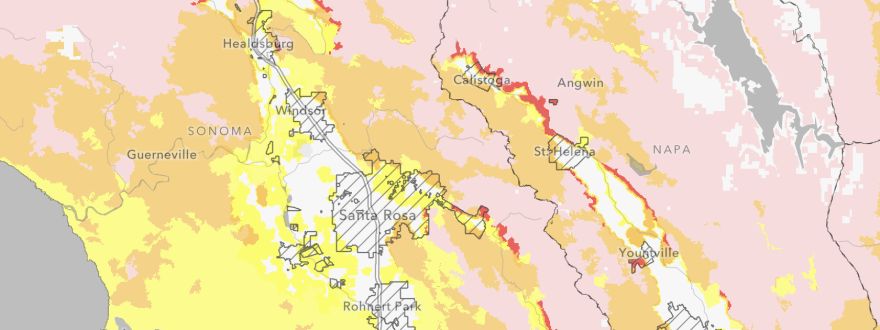
California just raised the bar on wildfire home protection. In August 2026, the state Board of Forestry and Fire Protection adopted sweeping new "Zone Zero" regulations requiring homeowners in high fire-risk areas to keep the five feet closest to their homes clear of anything that can burn. The Press Democrat reported that the rules will eventually touch an estimated 2 million properties statewide, including tens of thousands right here in Sonoma, Napa, and Lake counties.
If you own a home in a Very High Hazard Severity Zone, this isn't just a landscaping update. It's something you'll want to think about in terms of your insurance, too.
What's changing
The new rules phase in over several years. Within three years, property owners will need to clear dead leaves, branches, and firewood from around the house and out of gutters, and swap flammable mulch for gravel or hardscaping near the foundation. Within five years, an even tighter buffer kicks in: a one-foot zone right against the house that has to stay essentially vegetation-free, plus rules around fences, gates, and outbuildings close to the structure.
New construction has to comply right away. Existing homeowners get more time, but local jurisdictions can move faster or set stricter standards, so what applies to you may depend on where exactly you live.
How to check if your property is affected
Not sure whether you're in a designated hazard zone? CAL FIRE's Office of the State Fire Marshal maintains an interactive Fire Hazard Severity Zone Viewer at osfm.fire.ca.gov/fhsz, where you can search by address and see whether a property falls in a moderate, high, or very high hazard zone.
Many cities and counties also host their own local zone viewers, which can be more current or detailed than the statewide map. And if you're in a Very High zone, that status is generally required to be disclosed during a real estate sale, so it may already show up in your property records. When in doubt, your local fire department or fire marshal's office can confirm exactly which rules apply to your address.
Why this matters beyond fire safety
Insurance carriers are already paying attention to defensible space, and that's only going to intensify. In a market where carriers are pulling back from wildfire-prone areas or raising premiums, being able to show real, documented compliance can be one of the few things a homeowner has direct control over.
Some carriers already factor defensible space into renewal decisions, pricing, and how claims get handled. As Zone Zero becomes the statewide standard, expect that trend to grow. Homeowners who get ahead of it may be in a stronger position when it's time to renew, and those who don't may find themselves facing harder conversations with their carrier down the line.
What you can do now
You don't have to wait for an inspector to start!
- Walk your property and note what's within five feet of your home: mulch, firewood, dry brush, wooden fencing attached to the house.
- Tackle the closest zone first. The one-foot buffer right against your home matters most for ember protection.
- Take photos as you make changes. Documented before-and-after compliance can help if your carrier asks, or if you need it for a future claim.
- Check with your local fire department or fire safe council. Many offer free consultations or resources to help homeowners prioritize.
- Talk to your insurance agent about how these changes could affect your policy, your premium, or your standing with your carrier.
How Barber Insurance can help
Every carrier weighs wildfire risk and defensible space a little differently. If you're not sure how the new Zone Zero rules intersect with your specific policy, or you want a second set of eyes on your coverage before renewal season, we're happy to help you sort through it.
Reach out anytime at info@barberinsurance.com or 707-526-7900.